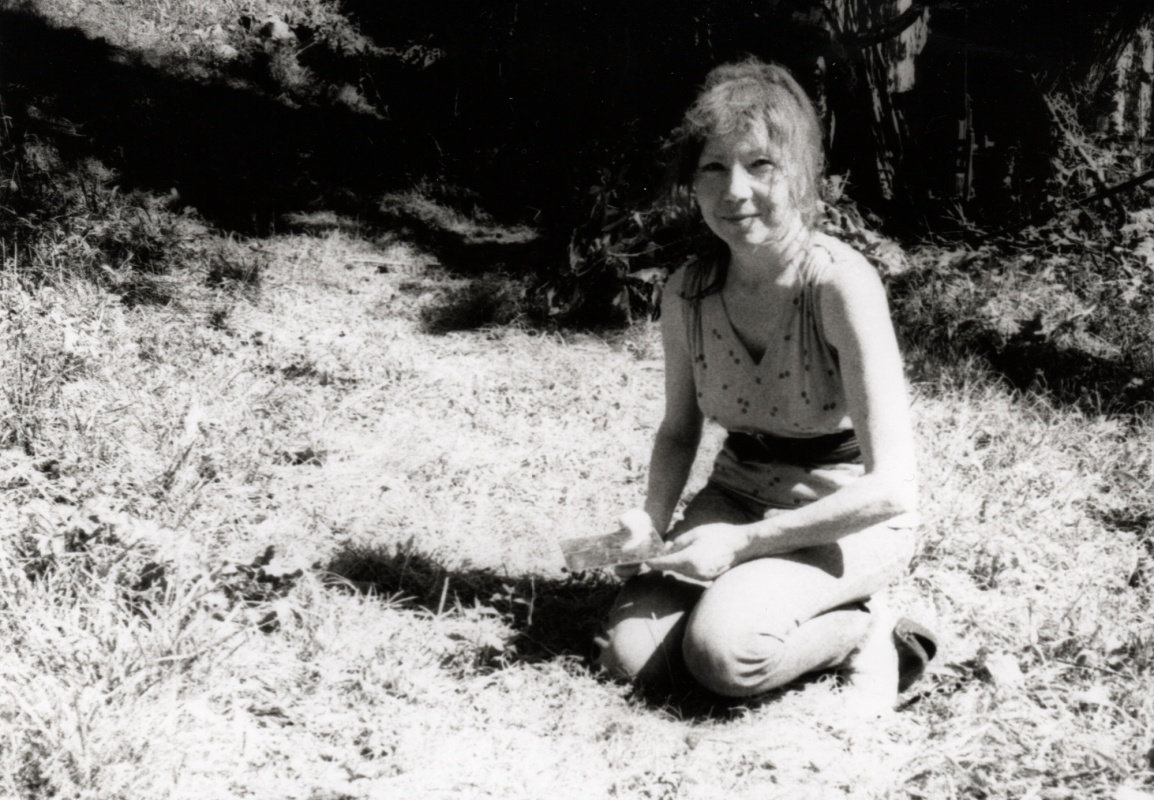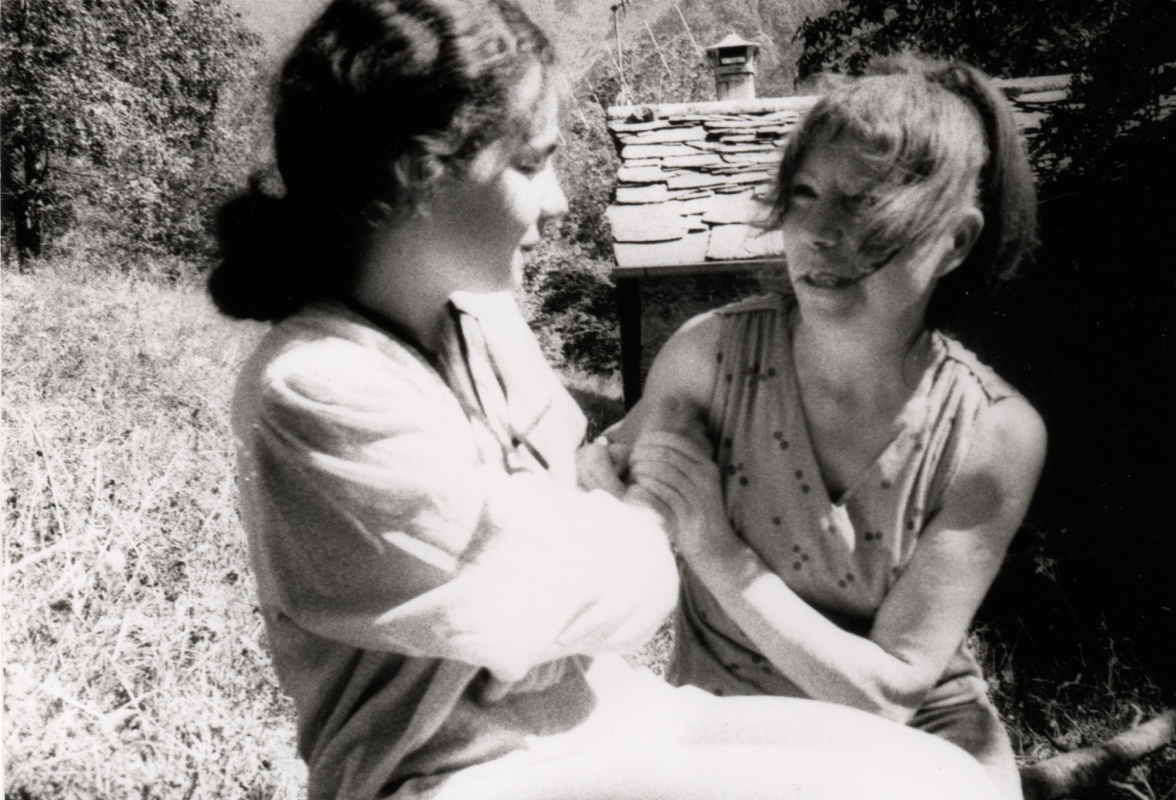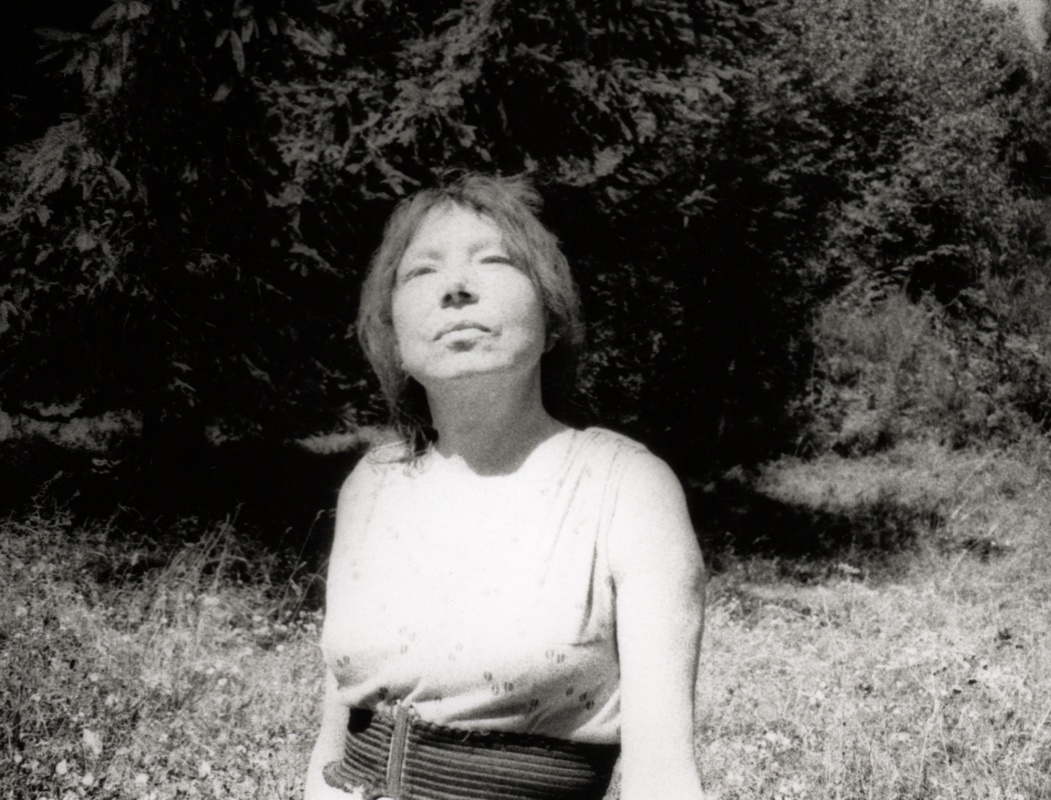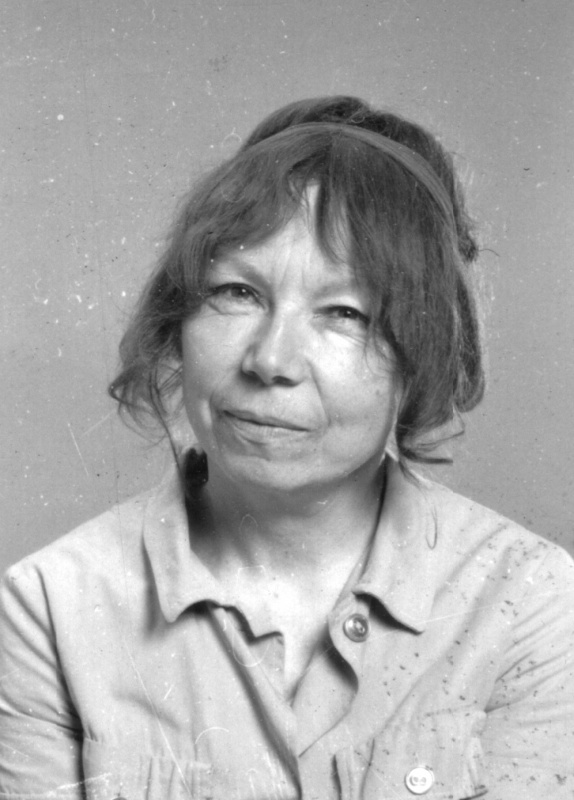
Carola Mazot
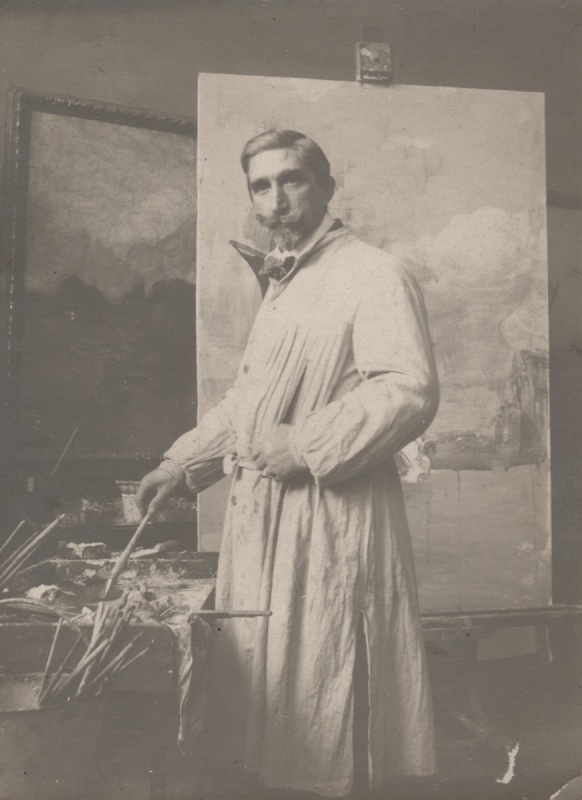
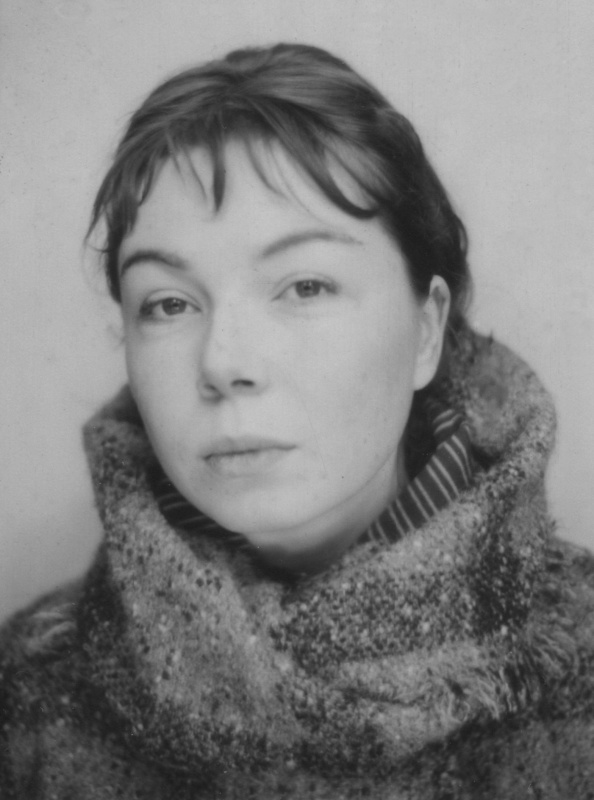
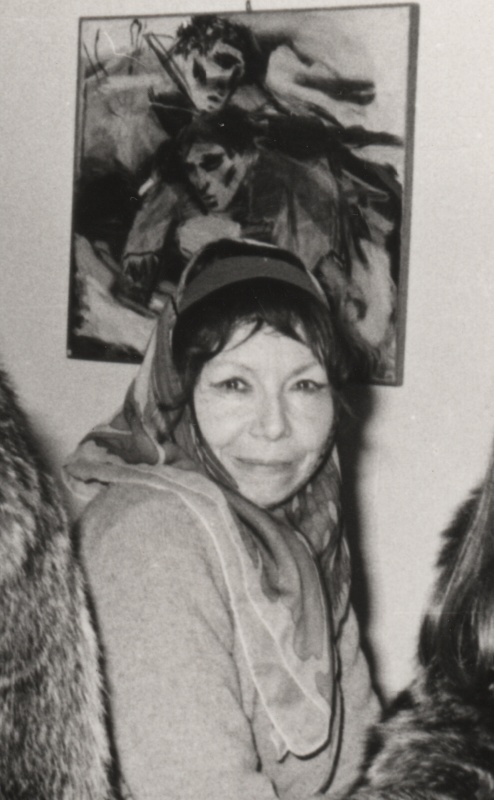
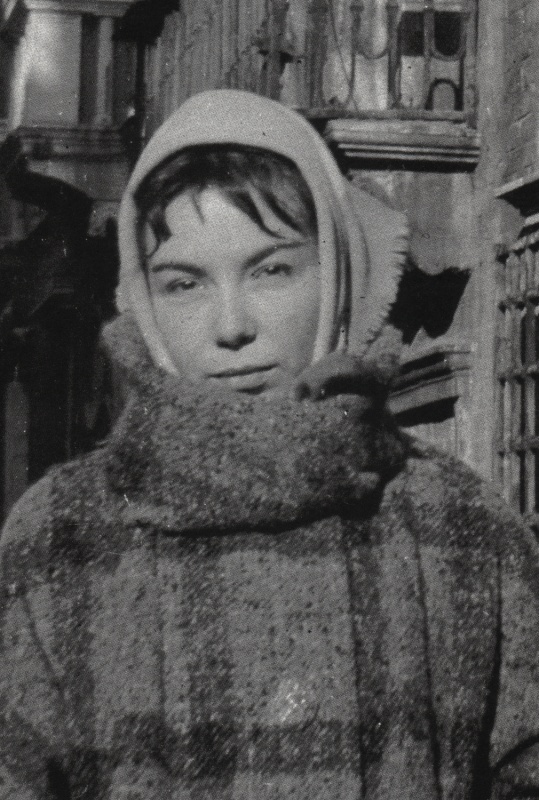
1929 Carola Mazot was born in Valdagno (VI). Her father was an engineer; her mother was the daughter of the Venetian post-Impressionist painter Vettore Zanetti Zilla.
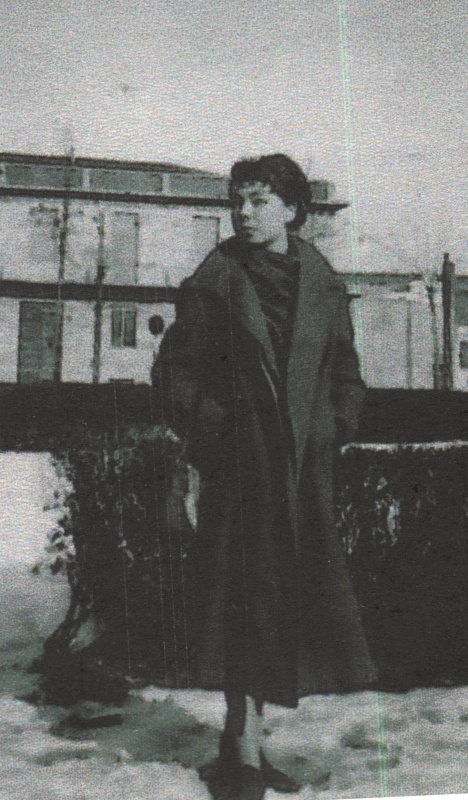
1936 The family moved to Milan, settling in Piazza della Repubblica (then known as Piazzale Fiume).
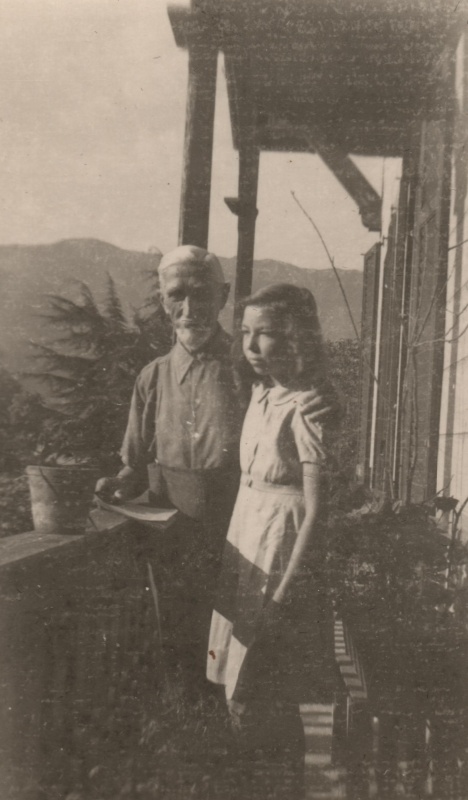
1940 At the outbreak of the war, the family was evacuated to Tremezzo, on Lake Como.
1943 At the age of thirteen, she began a constant and meticulous study of painting under the guidance of her maternal grandfather. Of this period, she would say:
“His daily lessons, being with him as he pointed out how many shades of green composed a mass of trees, or discovering the glimmer of light that contours objects giving sense to volume, were very important to me.”
1946 Upon returning to Milan, she entered the studio of Donato Frisia:
“He moved me away from pencil preparation, teaching me to draw through painting.” During this time, she deepened her technical skills and her ability to paint from life: “I painted the subjects Frisia prepared for himself: still lifes and portraits of ladies.”
1948–1968 She studied drawing with Lorenzo Pepe, whose approach differed completely from her previous masters:
“He told me that while working, I should never lose sight of the whole. In fact, while sketching, I had to draw the large geometric mass in which the figure was contained; even when focusing on details, I was never to take my eye off the whole.”
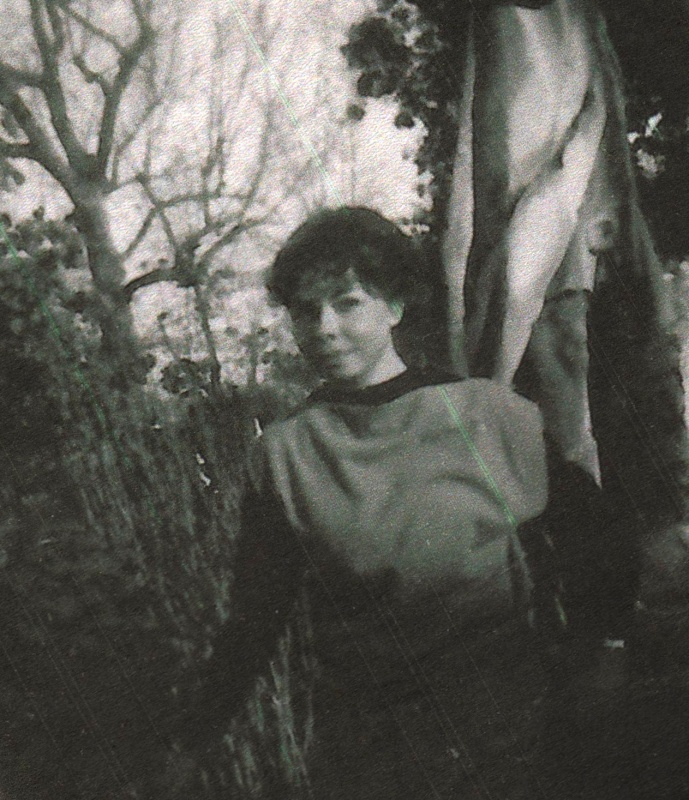
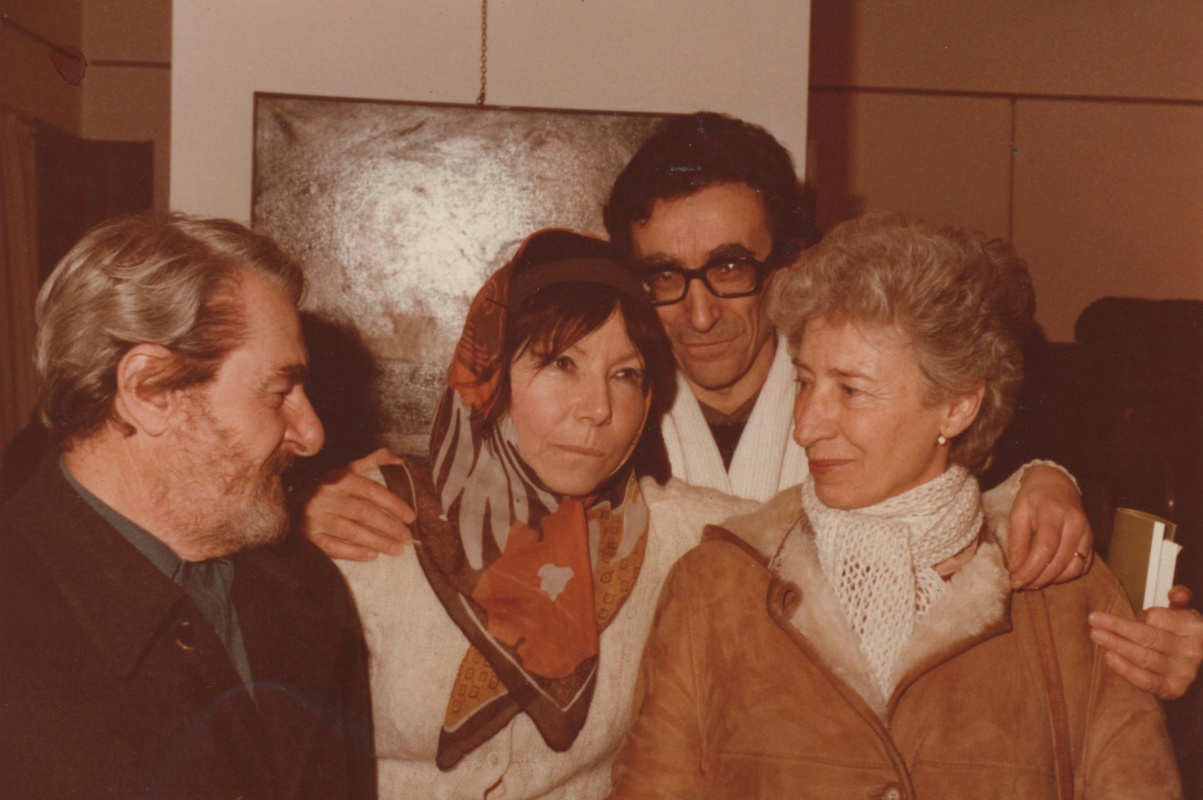
She attended the Brera Academy and studied drawing under Giacomo Manzù. She spent a period in Venice, working in both painting and sculpture. Returning to Milan and the Brera Academy, she studied with Marino Marini and Pompeo Borra, eventually graduating in Painting. She was a regular at “Jamaica,” the historic bar in Brera and a gathering place for artists and writers. She met Roberto Crippa, Gianni Dova, Pippo Spinoccia, Piero Leddi, Aligi Sassu, Remo Pasetto, Ennio Morlotti, and the critic Mario De Micheli. She formed deep friendships with sculptors Bruno Cassinari, Luigi Grosso, Guido Di Fidio, and Bianca Orsi. Her lifelong friends also included Eugenio Tomiolo, Giuseppe Migneco, Ernesto Treccani, and Virgilio Guidi.
1970 Until the early 1970s, her work focused on the human face, depicted individually or in pairs, characterized by intense expressions and dark tones, with a clear predominance of black.
1975 The “Period of Musicians” (or “Violins”) began: she portrayed musicians from life while accompanying her daughter to the Conservatory. In these works, the human face is surrounded by string instruments: violins, violas, and cellos.
1985–2015 This was the period of “Athletes” and “Gardens.” In the former, she was inspired by the moving bodies of athletes, where momentum and energy prevailed:
- “...she offers her painting through the dynamism of human figures. The vibration of power pulses within them.” (Orfango Campigli).
- “...the dynamism of the human figure is at the center of a painting that, in its gestural layers, possesses a vibration and rhythm of great effect. Splendid is the essentiality that guides the composition, even within its internal movement.” (Paolo Rizzi).
- “...the human figure as the focal point of an imaginative world made of great passions and emotions, deeply felt and relived.” (Enzo De Martino).
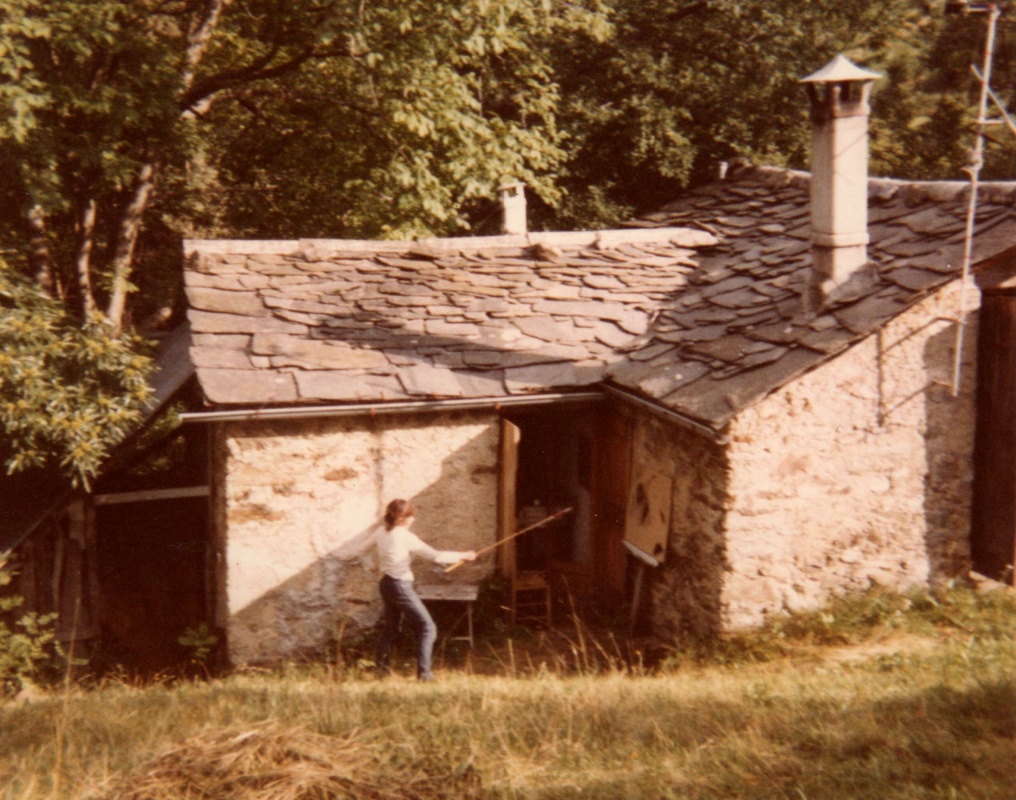
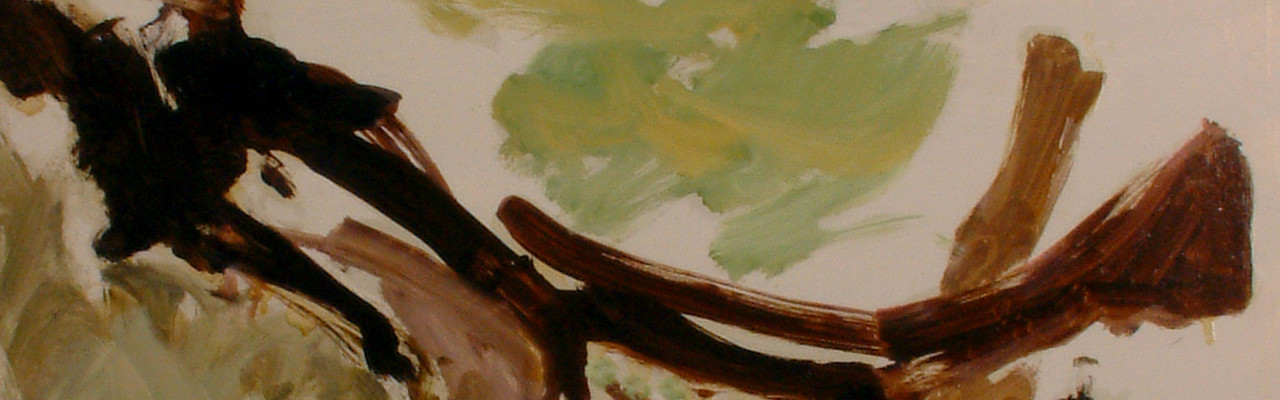
During these years, she lived between Milan and her rural home in the Lecco Alps, where she explored subjects related to nature: flowers, trees in the wind, grasses, roots, and foliage, as well as nocturnal landscapes under the moonlight.
“...painted instinctively. When she is in harmony with the nature she wishes to portray, she is fast, confident, and without second thoughts. Flowers and landscapes that allow one to imagine spaces where the beauty of nature is still possible.” (Antonio Carbè).
2016 She passed away in Milan on May 24th.
2018 Fulfilling her mother's wishes, her daughter donated 37 works to the Municipality of Valdagno (VI), which are currently on permanent display in municipal venues.
Legacy and Archive
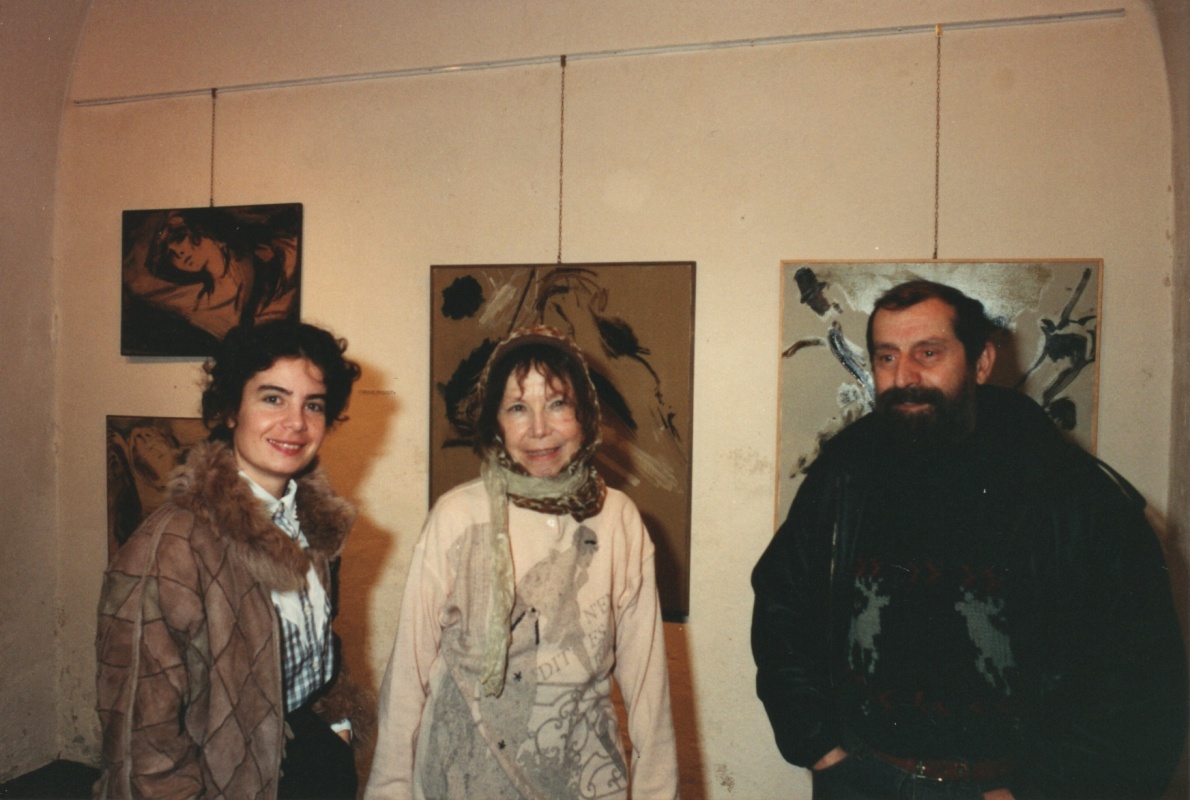
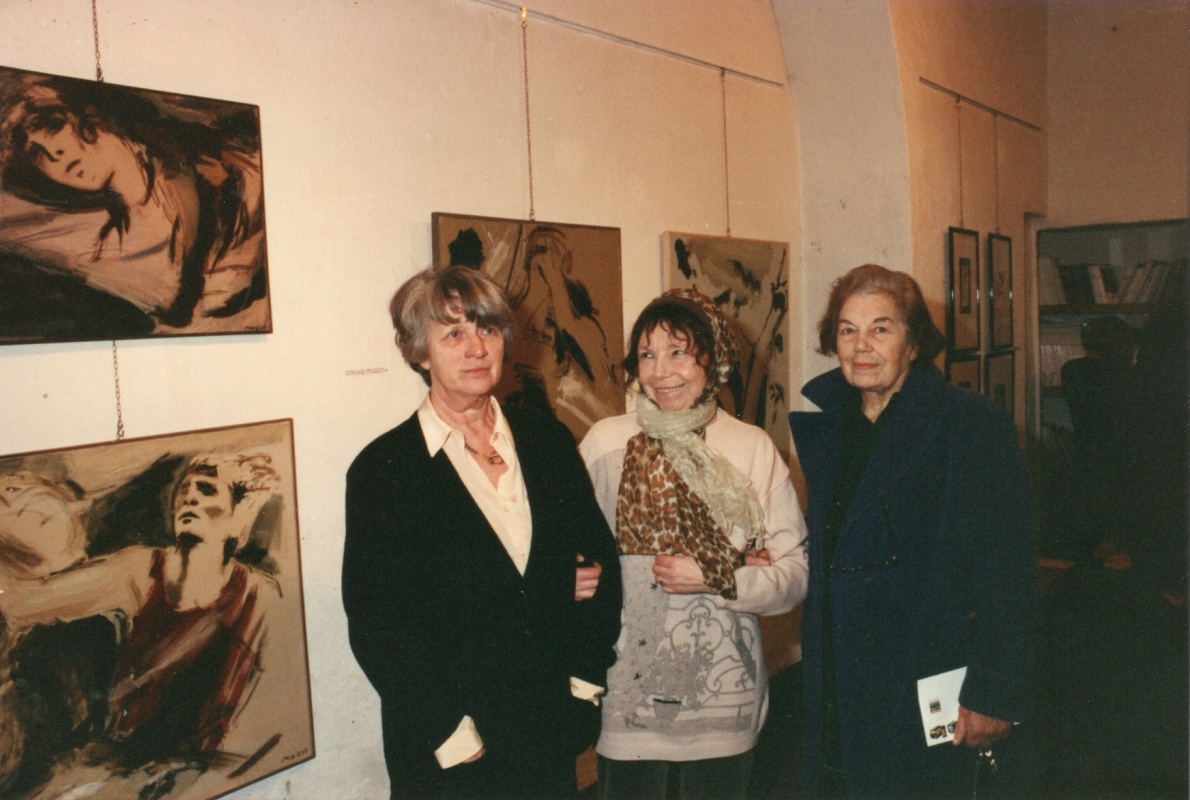
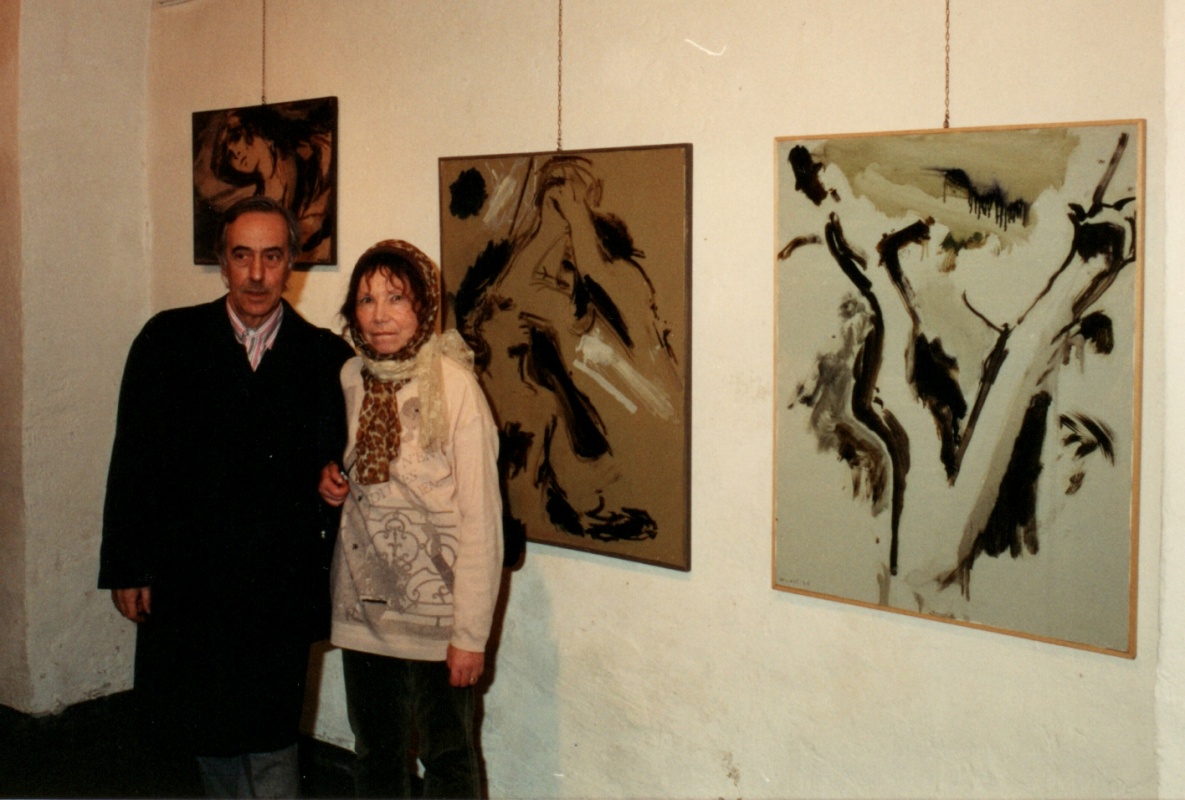
Mazot was a disruptive figure in her life and career choices. Female artists working between the 1950s and 1990s were few, operating in almost exclusively male environments. Despite the difficulties, she dedicated her life entirely to painting with tenacity and talent. She received widespread acclaim in national and international exhibitions: Venice, Verona, Milan, Lugano, Vienna, Warsaw, Lublin, Wuppertal, Paris, Lyon, New York, and San Francisco.
The Mazot Archive frequently collaborates with museums and cultural departments. Major retrospectives include:
- Cascina Roma, San Donato Milanese (2021)
- Ex Chiesa della Maddalena, Bergamo (2022)
- Palazzo Marliani Cicogna, Busto Arsizio (2022)
- Civic Aquarium, Milan (2023)
- Galleria Civica di Villa Valle, Valdagno (2018 and 2023)
Public Collections and Museums
- Museo della Permanente, Milan
- GASC (Galleria d’Arte Sacra dei Contemporanei), Milan
- ANPI Collection, Casa della Memoria, Milan
- Civic Art Collections of Palazzo Marliani Cicogna, Busto Arsizio
- Museo Floriano Bodini, Gemonio
- Fondazione Corrente, Milan
- Paolo VI Collection - Museum of Contemporary Art, Concesio
- Catholic University of the Sacred Heart, Milan
Her sacred works of art are preserved in the Milanese churches of San Luca Evangelista, San Gregorio Magno, and San Giovanni in Laterano.